- July 7, 2025
- by keerthivasan
- Uncategorized
- 0 Comments
You’ve invested time and effort into optimizing your website — but how do you know if your SEO is actually working?
SEO success isn’t just about getting to the top of Google. It’s about understanding how your site performs in search, how users engage with it, and whether it leads to actual business results.
In this blog, you’ll learn how to track and measure your SEO performance using easy-to-understand metrics and tools.
Why Measuring SEO Matters
Tracking your SEO results helps you:
- Understand what’s working and what’s not
- Improve your strategy based on real data
- Show ROI to clients or stakeholders
- Stay ahead of algorithm changes
Whether you’re a beginner or a business owner, knowing how to measure SEO success puts you in control of your growth.
Top Metrics to Measure SEO Success
Let’s break down the most important SEO performance metrics:
1. Organic Traffic
What to check:
The number of visitors coming to your website from search engines (like Google).
Why it matters:
It shows whether your content is discoverable and ranking for relevant keywords.
Where to track it:
- Google Analytics (GA4)
- Google Search Console (under “Performance”)
2. Keyword Rankings
What to check:
Your position in Google for target keywords.
Why it matters:
Higher rankings usually mean more visibility, traffic, and clicks.
Tools to track:
- Google Search Console
- Ubersuggest
- Ahrefs / SEMrush (for detailed tracking)
3. Click-Through Rate (CTR)
What to check:
The percentage of people who see your page in search results and actually click.
Why it matters:
Low CTR means your title or meta description might need improvement.
Where to check:
- Google Search Console > Performance > Pages or Queries
4. Bounce Rate & Time on Page
What to check:
How long users stay on your page and whether they leave quickly.
Why it matters:
If visitors bounce quickly, your content may not match their intent or needs improvement.
Where to find it:
- Google Analytics (GA4) → Engagement metrics
- Use tools like Hotjar for visual behavior analysis
5. Conversions from Organic Traffic
What to check:
How many people complete goals (like signing up, contacting, or purchasing) from SEO-driven visits.
Why it matters:
It connects your SEO efforts to actual business outcomes.
Track with:
- Google Analytics (set up goals or conversion events)
- CRM or eCommerce tracking tools
6. Backlink Growth
What to check:
The number and quality of other websites linking to yours.
Why it matters:
Backlinks boost your domain authority and help your pages rank higher.
Tools to use:
- Ahrefs
- SEMrush
- Ubersuggest (limited free tracking)
7. Indexed Pages and Crawl Status
What to check:
Whether Google can access and index your website properly.
Why it matters:
If your pages aren’t indexed, they won’t appear in search results.
Track with:
- Google Search Console > Coverage
- Use the “site:” search (e.g., site:yourwebsite.com) to check visibility
Free Tools to Measure SEO Success
Here are some reliable tools you can use (no paid subscription needed):
| Tool | Use Case |
| Google Analytics | Track traffic, engagement, conversions |
| Google Search Console | Monitor rankings, CTR, indexing, and issues |
| Ubersuggest | Keyword tracking, backlink checking |
| Google Tag Manager | Track custom events and actions |
| Google Data Studio | Build visual SEO performance dashboards |
Bonus: Create a Simple SEO Dashboard
If you want to track SEO performance at a glance:
- Use Google Data Studio to connect Search Console and GA4
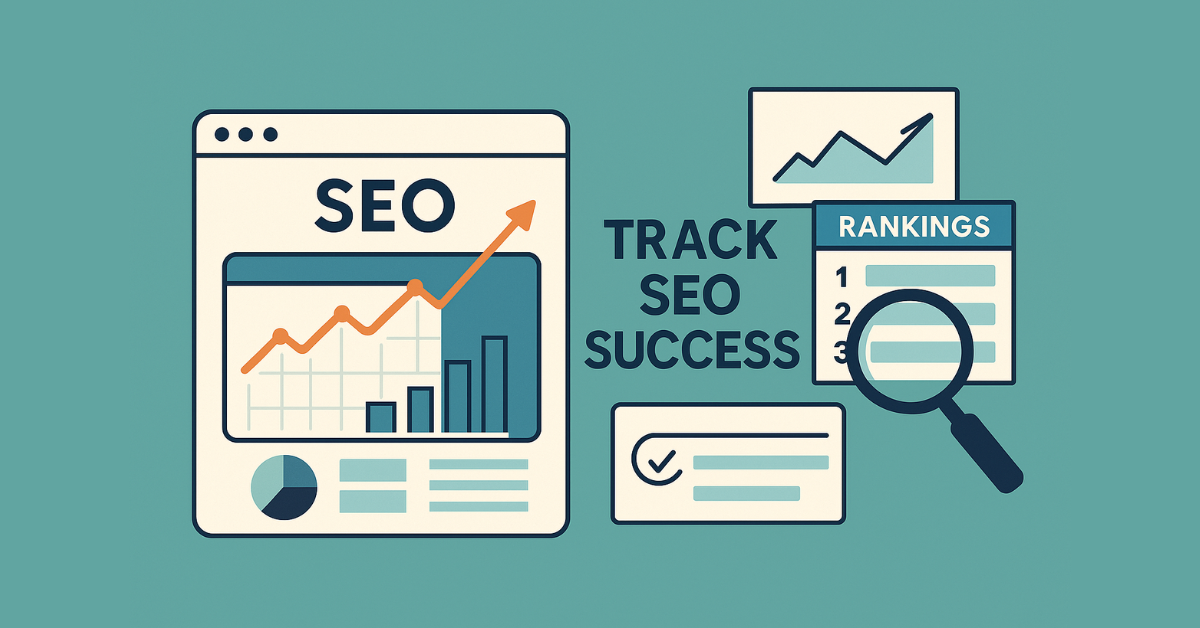
- Create visual graphs for traffic, rankings, CTR, and conversions
- Share live reports with your team or clients
This keeps your SEO strategy data-driven and easy to review.
How Often Should You Measure SEO Performance?
- Weekly: Check keyword rankings, traffic trends, and technical issues
- Monthly: Review goal completions, backlink growth, and site engagement
- Quarterly: Evaluate full SEO strategy, content performance, and ROI
Consistency is key — SEO takes time, but regular tracking helps you spot progress and make smart adjustments.
Conclusion
SEO isn’t a “set it and forget it” strategy. It’s an ongoing effort — and measuring your performance is what makes it work. By tracking metrics like traffic, rankings, and conversions, you’ll know what’s driving growth and where to improve. With the right tools and a clear process, you can turn SEO from a guessing game into a powerful, measurable part of your business strategy.